Why energy resilience matters
For many UK investors, sustainable property interest starts with the idea of a better lifestyle, but it quickly becomes about operating resilience. Buyers are asking how a future home will handle power costs, comfort expectations, and long-stay utility performance.
Krabi enters that conversation because it combines scenic appeal with a calmer, lower-density positioning than some more saturated resort locations. That gives solar-ready plots a stronger long-term story.
What buyers mean by solar-ready
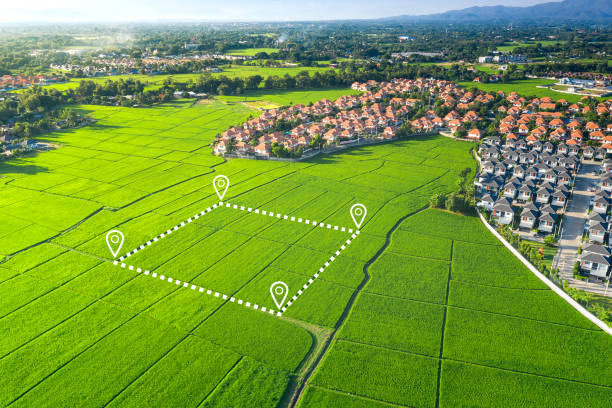
Solar-ready does not simply mean a roof can hold panels one day. It means the plot orientation, shading profile, service planning, and home concept can support the installation efficiently. Ideally, it also means the broader build strategy already anticipates battery storage and energy management.
When land is selected with those factors in mind, the sustainability story becomes more credible to both end-users and future buyers.
Krabi specific appeal
Krabi gives investors access to coastal demand while still allowing room for differentiated eco-home positioning. Buyers can market privacy, landscape quality, and lower-density living without abandoning access to established travel routes.
That mix can work well for UK-led demand looking for wellness, climate comfort, and a more intentional lifestyle asset rather than a generic resort apartment alternative.
What to confirm before reserving
Before you reserve, ask for a quick technical note on orientation, shading, drainage, utility connection, and likely build footprint. If those fundamentals are strong, the solar-ready story becomes easier to defend.
The best plots are not only beautiful. They make the long-term operating proposition clear from the start.
Ask your team to review orientation and shading before you talk about panel capacity or future energy marketing.